



















Conservation Advice
We Want to Be Your Green Comfort Company!
It might sound strange coming from a company that delivers heating oil and propane, but we at Plainville Oil want you to use less fuel and spend less money. We are your conservation partner, helping you find ways to cut energy consumption and save some much-needed cash.|
|
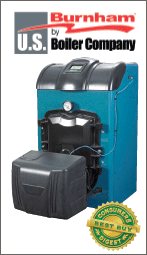 |
| Rated as a Consumers Digest Best Buy! Burnham MPO-IQ 87% efficient! Oil-fired high efficiency 3-pass water boiler |
Upgrading
The easiest way to lower your carbon footprint and your greenhouse gas emissions is to improve the efficiency of your home comfort systems by upgrading. Today's heating and cooling systems can reduce energy consumption by up to 30% or more. When you upgrade, you burn a lot less fuel - so you not only save money, you decrease your emissions and lessen demand for foreign energy sources. To learn more about our high-efficiency boilers, furnaces, air conditioners and other super-efficient comfort equipment, visit our HVAC equipment page.Another way we help you conserve energy is by offering clean and green Bioheat - biodegradable, earth-friendly fuel made from renewable resources like American-grown soybeans.
Read more about how you can conserve with Bioheat. Order your Bioheat by clicking here.
Alternative Energy
Bioheat isn't the only type of alternative energy we offer our customers. More and more of our customers are realizing the benefits of using the free and renewable energy of the sun and the earth to heat and cool their homes.Conservation Tips for All Seasons
Winter ... spring ... summer ... fall - no matter what the season, we have lots of easy tips to help you lower your energy costs. Some don't even require spending a single penny! For more conservation advice tailored to your individual comfort needs, please contact us.Cold Weather Tips
- Insulate your hot water tank. The U.S. Department of Energy recommends that you insulate the tank or water heater and the first six feet of hot water pipe.
- Have your heating system tuned. A well-tuned boiler or furnace burns 5% less fuel.
- If you have a furnace, clean or replace the air filter once a month to ensure the best airflow and efficiency. Make sure that furniture or draperies do not block vents.
- Upgrade your heating system. Homeowners who have older Oilheat systems can lower their fuel costs by 30% or more by installing a new, high-efficiency system. New designs incorporate technologies like condensing and multi-stage operation to squeeze every ounce of heat from the system. The savings provide a remarkable return on investment that keeps paying off year after year - every time the weather turns cold.
- Open shades and drapes during the daytime and close them when the sun goes down.
- Seal off your attic-circulating fan with polyethylene and tape.
- Wrap your pipes to guard against heat loss and prevent them from freezing.
- Avoid using space heaters. They're expensive to operate and can be dangerous.

Warm Weather Tips
- Keep drapes, blinds and shades closed during the day to block out the sun.
- Clear furniture away from air conditioning vents.
- Install an attic fan - it can cool your attic by nearly 30 degrees!
- Plant shade trees due west of west windows. It could reduce your air conditioning bills by up to 25%!
- Cook on the outdoor grill to keep cooking heat outside the home.
- When cooking inside, use a microwave instead of a conventional oven. It uses less than half the power and cooks food in about one-fourth the time.
- Install reflective window coatings to reflect heat away from your home.
All-Year Tips
These tips can help save energy in every season.- Install a digital programmable thermostat. It puts your heating and cooling systems on an automatic schedule: full heat or cooling during hours when the home is active, and less when the house is empty or the family is asleep.
 The U.S. Department of Energy says that setting back a home's temperature by 10 to 15 degrees for eight hours a day can reduce total heating and cooling costs by 5% to 15%.
 - Insulate thoroughly to eliminate heat transfer through your walls, ceilings and floors. You could reduce your heating and cooling costs by as much as 15%, according to Consumer Energy Council of America.
- Replace outdated appliances with high-efficiency units to reduce energy consumption.
- Replace incandescent light bulbs with compact fluorescent light bulbs (CFLs), which use only 25% as much energy and last 10 times as long.
- Reduce water heater temperature setting to 120 degrees to save fuel. (You'll also reduce the risk of scalding.)
- Add caulking and weather-stripping around doors, attic access, windows, outdoor faucets and any areas where there might be leaks. (As much as 40% of your heating and cooling costs can be due to air leaks.) Check caulking at least once a year and replace material that has dried out and shrunk.
- Install rubber gaskets behind outlets and switch plates on exterior walls. (Gaskets can be found in most home improvement stores.)
- Check weather-stripping and door sweeps at least once a year and repair or replace them as needed.
- Repair and weatherize your storm windows.
- Close off rooms you don't use - and remember to shut the vents inside.
- Install dimmer switches. In addition to enhancing the mood, they'll extend the life of your bulbs and help you save up to 60% on your lighting costs.
- Install motion activated switches that automatically turn lights on and off.
- Install water-conserving fixtures, such as showerheads, faucets and toilets.
- Fix leaky faucets, especially hot water faucets. One drop per second can add up to 165 gallons per month - more than a person uses in two weeks.
- Take showers instead of baths. A five-minute shower will use about 7.5 gallons of hot water; filling a bathtub can use up to 20 gallons.
- Keep ductwork in good repair by sealing leaks with mastic, metal-backed tape. Your home could be losing up to 25% of its heated or cooled air before it reaches the vents!
- Install ceiling fans. They could cut your energy bill for cooling by 40%.
- Use efficient temperature setting for your refrigerator and freezer. Recommended temperatures are 37 to 40 degrees for the refrigerator and 5 degrees for the freezer.
- Don't leave the fridge door open! Every time you do, up to 30% of the air inside can escape. The same can be said for your oven.
- Use less water and use cooler water when doing laundry. The warm or cold water setting on your machine will generally do a good job of cleaning your clothes. Switching your temperature setting from hot to warm can cut a load's energy use in half.
- Consider air-drying clothes on clotheslines or drying racks. Clothing manufacturers recommend air-drying for some fabrics.
- Use a covered kettle or pan to boil water; it's faster and uses less energy.

